
Can AI Read Minds?
- Jul 14, 2025
- 3 min read
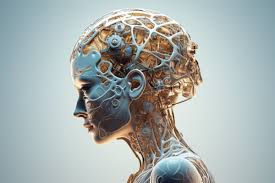
Neuroscience is defined as any subject matter that works with the nervous system, the brain, and their associated functions. Neuroscience, in the form of neurology for medicine, is a very delicate and mysterious concept. Although we have some understanding of the functions of the brain and nervous system, there is still much that we cannot be sure of. AI technology is being paired with neurological databases in order to simplify procedures and uncover many of these secrets.
Why NeuroAI?
Several renowned laboratories and research facilities are currently working on the collaboration of Neuroscience and Artificial Intelligence. The purpose of attuning the skills of AI to work on neurological issues roots from the complexity of neuroscience. Understanding the nervous system and being able to work through its problems is an extremely complex procedure. Although there are many skilled human beings that are able to complete the task, it takes time and detailed
understanding to become competent and confident with neurological functions. Therefore, producing neuroscientists, neurosurgeons, and other people working with the neurosystems doesn’t always have a reliable flow. By introducing the details to Artificial Intelligence, which is able to compute the data much quicker and focus only on the science, it allows for people to save time on certain procedures and move through research and treatment at a faster pace. Although human neuroscientists and neurosurgeons will never NOT be necessary, AI is able to lighten the burden and allow people to give absolute focus on helping patients or furthering knowledge.

Current Projects of NeuroAI:
NeuroAI is being developed to search for trends within structure to compare and contrast the data we have recognized about the structures of the nervous systems and the brain, such as connectomes and neural networks. Through AI algorithms and organizational skills, researchers have been able to draw connections and pinpoint certain functions to different processes.
fMRI Decoder: In 2023, AI was utilized for the decoding of an fMRI brain scan. Although experts predicted that the AI would only decode for the basics of the scan, the AI was able to recreate vivid images. It was trained with an array of scans and patterns to create an internal database, from which it could pull and cut to propose what the mental image might’ve been. It is nowhere near mindreading, but it shows monumental potential for understanding the way the mind works and how thoughts are internally processed.
Artificial Neurons: Through the computational abilities of artificial intelligence, researchers created a series of mock neurons that would be able to mimic the way that neurons work in the brain. This visualization allowed for researchers to observe the behavior of neurons and their reactions to different stimuli provided from the data that was taught to the AI. Artificial neurons allow for ethical testing as well, since they do not belong to a sentient life but are able to mimic the charges of an active neural system.
Conclusion
Neuroscience is an intricate study that takes profound time and effort to perfect, but the use of AI in order to quicken the pace offers new horizons for the subject as a whole. Through AI, humans might be able to understand the mysteries of neural firing, cognition, and much more. AI will revolutionize our understanding of these structures and abilities, and make way for a new understanding of life.
Sources


